 Service illustration · not a completed customer project
THE WORK, EXPLAINED
Start with the condition.
Understand the scope.
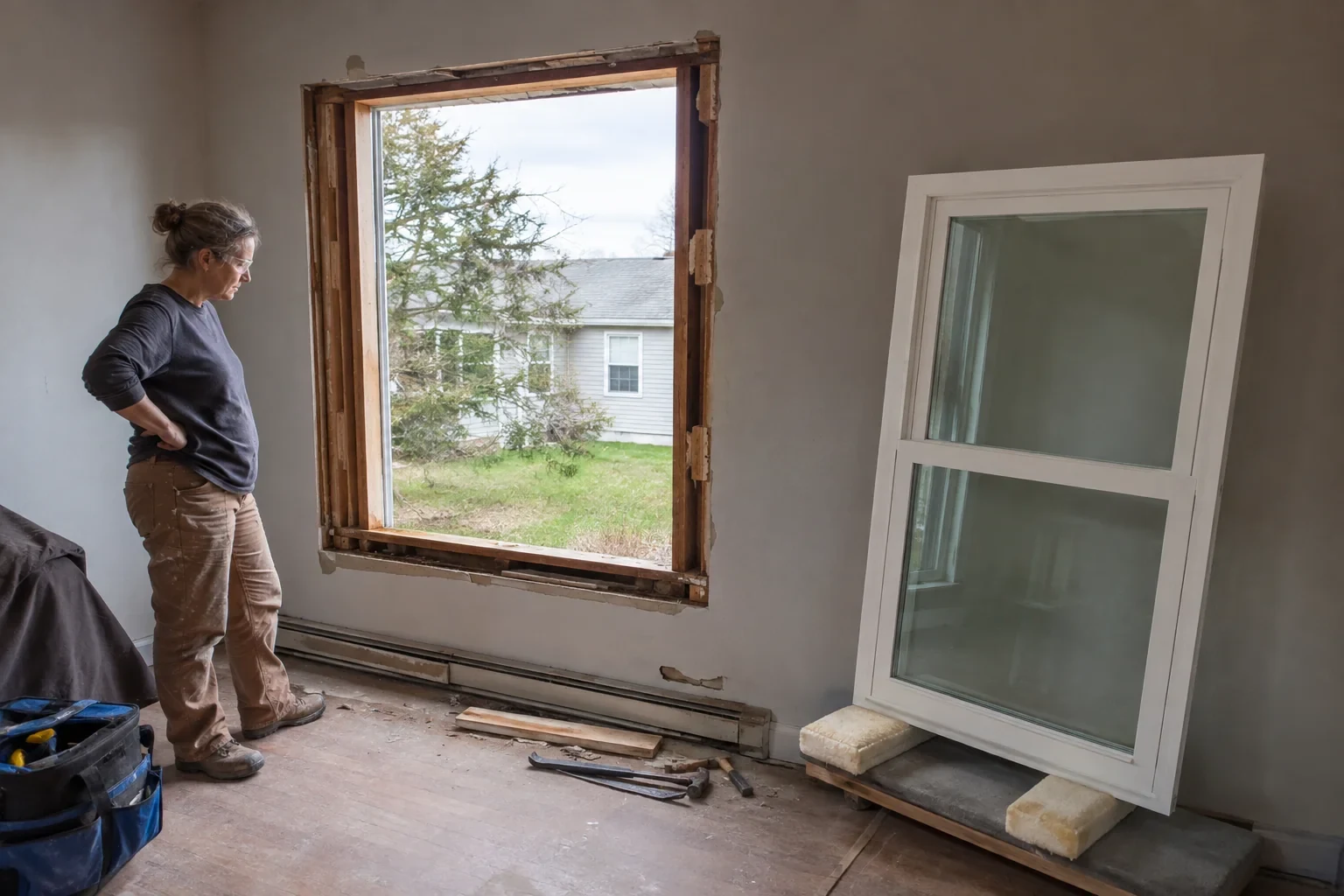
Clarify whether the proposal replaces the sashes, installs an insert or removes the complete frame. Ask which balances, locks and other hardware are included and whether any existing components remain. Agree on the finishing scope and a completion check covering the operation of both sashes and the selected tilt features, where fitted.
What may be involved
- double-hung frame
- upper sash
- lower sash
- balances
- meeting-rail lock
- weather seals
- installation trim
Ask the provider to distinguish existing parts to inspect, proposed replacements, and tools, materials or reports included in the service. Confirm the work and exclusions after assessment; this list does not mean that every item will be supplied or replaced.
LOCAL RESEARCH / San Francisco
Local exposure
The air district’s 2011 regional climate description explains that marine air crosses much of San Francisco, contributing to cool and windy conditions. It does not establish the condition of a particular door or building.
Source ↗Local context
California licenses contractors by classification, and the Contractors State License Board publishes the current list. Glazing work sits under C-17 Glazing Contractor, so it is reasonable to ask which classification a licence carries and to check the licence number with the board before glass or window work is arranged. The classification list describes the trades the state recognises; it is not a record of any particular company's licence, standing or suitability for your project.
Source ↗Planning your work
SF Planning’s window-replacement guide covers historic-property checks, application details and product information. It distinguishes in-kind replacement from expanding an existing window or adding an exterior window, and links to window-design standards. Use the guide to discuss the proposed work with the city. Confirm the address, opening changes and property-specific requirements; this reference does not establish eligibility or product compliance for a property.
Source ↗Area-wide context does not establish the condition of your property or equipment.
Before the visit
Identify the affected opening and describe the symptom. Gather available product labels and previous work records. Explain access restrictions and keep the opening clear.